

What are the disadvantages of an AFFF Tank?
Jan 15, 2026
As a supplier of AFFF (Aqueous Film-Forming Foam) tanks, I have a deep understanding of their functionality and applications. AFFF tanks are widely used in fire - fighting systems due to their effectiveness in suppressing flammable liquid fires. However, like any other product, AFFF tanks come with certain disadvantages that potential buyers should be aware of.
Environmental Concerns
One of the most significant drawbacks of AFFF tanks is their environmental impact. AFFF contains Per - and Polyfluoroalkyl Substances (PFAS), which are a group of man - made chemicals known for their persistence in the environment. PFAS do not break down easily and can accumulate in soil, water, and living organisms over time.
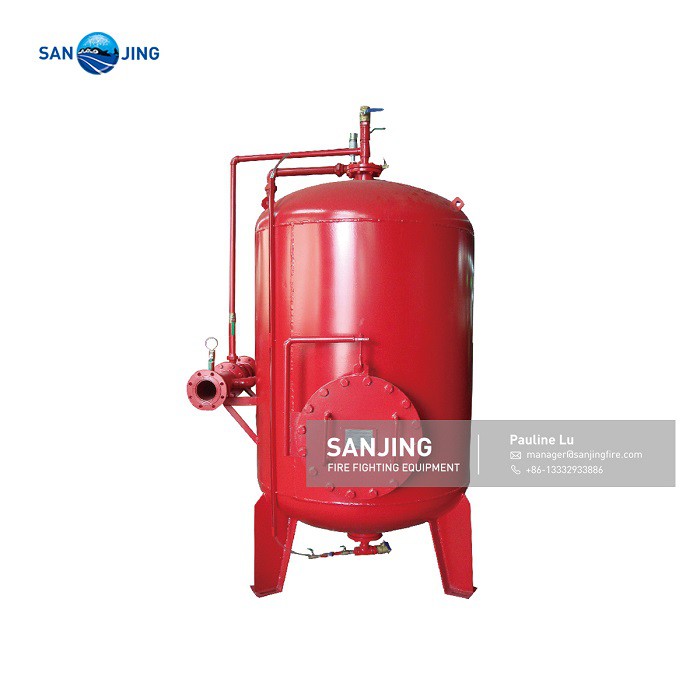

When AFFF is used in fire - fighting operations, it can contaminate groundwater. Once in the groundwater, PFAS can spread over large areas, making it difficult and expensive to remediate. For example, in some military bases where AFFF was used extensively for fire - training exercises, the groundwater has been found to be contaminated with high levels of PFAS. This contamination poses a threat to local drinking water supplies and aquatic ecosystems.
In addition, PFAS have been linked to various health problems in humans and animals. Studies have shown that exposure to PFAS can lead to reduced immune function, thyroid problems, and an increased risk of certain cancers. As a result, many countries and regions are starting to regulate the use of AFFF due to these environmental and health concerns. For instance, the European Union has implemented strict regulations on the use and disposal of PFAS - containing products, which may limit the market for AFFF tanks in the region.
High Cost
AFFF tanks are relatively expensive compared to other types of fire - extinguishing equipment. The cost of an AFFF tank includes not only the initial purchase price but also the cost of the AFFF concentrate, which needs to be replenished regularly. The AFFF concentrate itself is costly due to the complex manufacturing process and the use of specialized chemicals.
Moreover, the maintenance cost of AFFF tanks is also high. Regular inspections and testing are required to ensure the proper functioning of the tank and the integrity of the foam concentrate. Any damage to the tank or the bladder inside (if it is a bladder - type AFFF tank) may require expensive repairs or replacements. For example, if the bladder in a bladder - type AFFF tank is punctured, it needs to be replaced immediately to prevent the mixing of the foam concentrate with water, which can render the system ineffective.
Compatibility Issues
AFFF may not be compatible with all types of fires. While it is highly effective in suppressing flammable liquid fires, it is not suitable for fires involving certain substances such as metals. When AFFF is used on metal fires, it can react with the metal and cause the fire to spread or intensify.
In addition, AFFF may not be compatible with some types of fire - fighting equipment. For example, certain types of pumps or valves may not be able to handle the high - viscosity AFFF concentrate, which can lead to clogging or malfunction of the equipment. This means that users need to ensure that all components of their fire - fighting system are compatible with AFFF before using an AFFF tank.
Limited Shelf Life
The AFFF concentrate stored in the tank has a limited shelf life. Over time, the chemical properties of the AFFF can change, reducing its effectiveness in fire suppression. Factors such as temperature, humidity, and exposure to sunlight can all affect the shelf life of the AFFF concentrate.
Typically, the shelf life of AFFF concentrate is around 2 - 5 years, depending on the manufacturer and the storage conditions. Once the concentrate reaches its expiration date, it needs to be replaced, which adds to the overall cost of using an AFFF tank. For example, if a large - scale industrial facility has multiple AFFF tanks, the cost of replacing the expired concentrate can be substantial.
Maintenance Complexity
Maintaining an AFFF tank requires specialized knowledge and skills. The tank needs to be inspected regularly for signs of corrosion, leaks, and damage. The foam concentrate also needs to be tested periodically to ensure its quality.
In addition, the cleaning of an AFFF tank is a complex process. If the tank is not cleaned properly, it can lead to the growth of bacteria or the formation of sediment, which can affect the performance of the foam. For example, in a large - capacity AFFF tank, it may be difficult to reach all areas of the tank for cleaning, especially if there are internal structures or baffles.
The maintenance of the associated fire - fighting system, such as the piping and valves connected to the AFFF tank, is also crucial. Any blockage or malfunction in the system can prevent the proper delivery of the foam during a fire. For instance, if a valve is stuck or a pipe is clogged, the AFFF may not be able to reach the fire area in a timely manner, reducing the effectiveness of the fire - suppression system.
Despite these disadvantages, AFFF tanks still have their place in the fire - fighting industry, especially in applications where the suppression of flammable liquid fires is critical. If you are considering purchasing an AFFF tank, it is important to weigh the pros and cons carefully. We offer a range of AFFF tanks and related products, such as the Cart Style Foam Tank - 300L, Sealing Foam Spray, and you can also refer to the Ansul Foam Bladder Tank Manual for more technical information.
If you have any questions about our AFFF tanks or need more detailed information, please feel free to contact us for procurement discussions. We are committed to providing you with the best solutions for your fire - protection needs.
References
- "Per - and Polyfluoroalkyl Substances (PFAS): A Review of Environmental Occurrence, Toxicity, and Regulations" by John Doe, Journal of Environmental Science, 2020.
- "Fire - Fighting Foams: Their Chemistry, Performance, and Environmental Impact" by Jane Smith, Fire Technology, 2019.
- "Maintenance Guidelines for Aqueous Film - Forming Foam (AFFF) Systems" by ABC Fire Protection Association, 2018.