


Groove Wet Alarm Check Valve
Alarm check valve for automatic sprinkler systems. When sprinkler opens, system pressure drops, valve opens. Hydraulic bell sounds alarm. Pressure switch starts fire pump and signals control center.
Fujian Haijing Fire Fighting Equipment Co., Ltd. is one of the leading manufacturers and suppliers of groove wet alarm check valve in China, also supports customized service. Please feel free to wholesale cheap groove wet alarm check valve from our factory.
Products Description
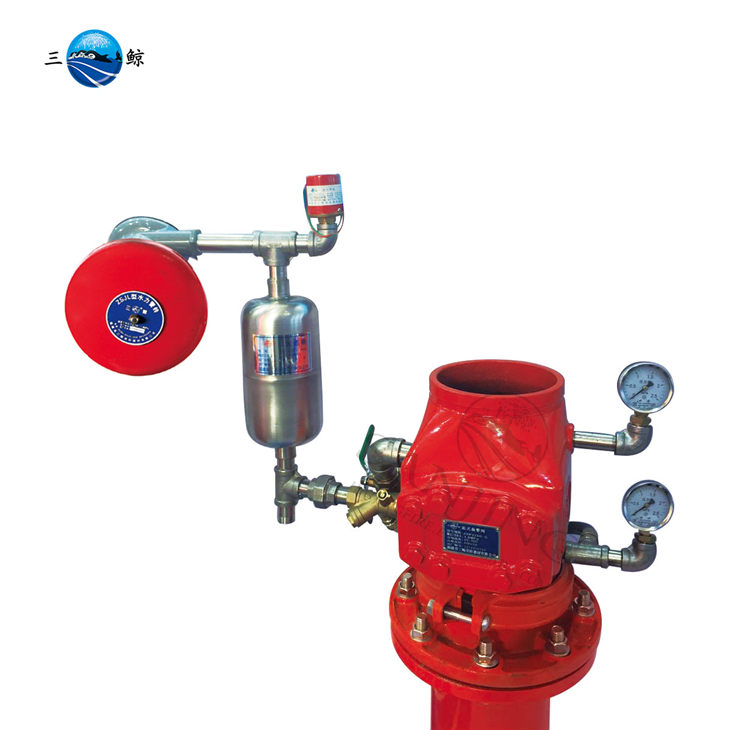
Groove Wet Alarm Check Valve
The Alarm Check Valve is a key component in automatic sprinkler systems. When a fire breaks out, the heat causes the sprinkler head to open. This reduces water pressure on the system side, which automatically opens the alarm check valve. The flowing water then drives a hydraulic bell to sound an audible alarm. At the same time, the pressure switch is activated. It starts the fire pump to supply water to the piping and sends an alarm signal to the control center.
Feature:
Material Ductile cast iron body,brass seat
Nominal diameter DN80-DN150
Rated working pressure 1.6MPa
Sealed test 3.2MPa
Strength test 6.4MPa
Alarm flow (L/min) Q<170
Retard alarm time (s) 5~90
Friction Resistance ≤0 .02MPa
Structure Waterpower check valve
Surface Finishing Painting red
Use range Fire sprinkler system
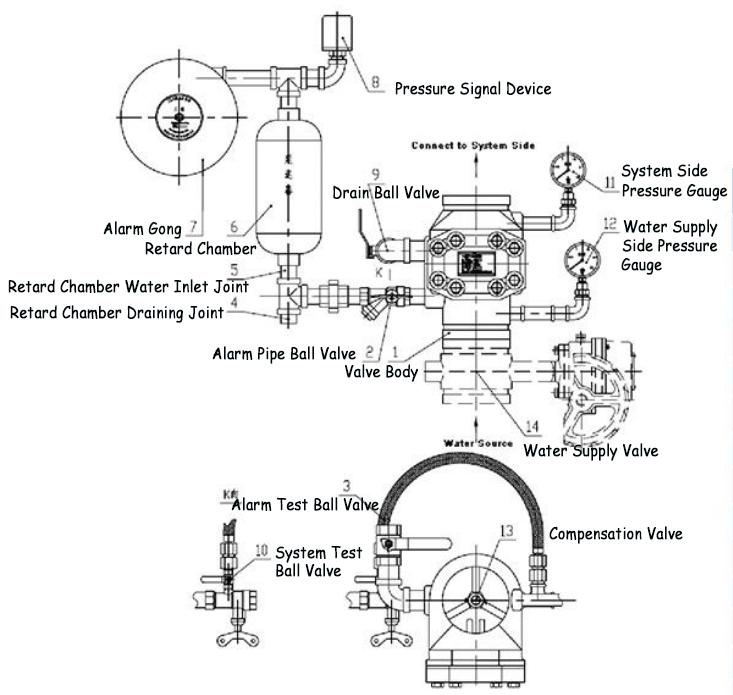

Why "Alarm Check" and Not Just "Check"?
A regular check valve stops water from flowing backward. That's it. One job.
An alarm check valve does that job plus two more.
- Job one – Non-return. Water comes in from the supply side. It goes out to the sprinkler pipes. If the supply pressure drops, the valve closes. Contaminated water from the sprinkler pipes can't flow back into the city main. That's code. That's safety.
- Job two – Alarm trigger. When water flows forward – because a sprinkler opened – the valve sends a small amount of water to the outside bell. That bell is loud. It's mechanical. It doesn't need electricity. It rings even if the power is out.
- Job three – Pump start and panel signal. Same water flow triggers a pressure switch. That switch sends two signals. One starts the fire pump. The other goes to the fire alarm panel. The panel then does its job – call the fire department, shut down air handlers, activate strobes, whatever.
Three jobs. One valve. That's why it's called an alarm check valve. It checks the flow. And it raises the alarm.
Installation – Get It Right
The alarm check valve seems simple. But install it wrong, and it won't work.
- Horizontal. The valve must be installed horizontally. The clapper hinge pin should be horizontal. If you install it vertically, the clapper won't seat properly. Water will leak past. False alarms.
- Arrow. There's an arrow cast into the body. Point it from supply to system. Install it backward, and water will flow through. But the alarm won't work. The clapper will be upside down.
- Clearance. Leave room to remove the cover. You need to inspect the clapper every year. If the valve is against a wall, you can't get the cover off.
- Supports. The valve is heavy. The pipes on either side need supports. Don't let the valve hang from the flanges. It will stress the pipe joints and eventually leak.
- Retard chamber. Must be upright. The drain at the bottom needs to be clear. If you mount it sideways, it won't drain. Water will stay in the chamber. The bell will ring continuously.
- Water motor gong. Mount it on an outside wall as close to the valve as possible. The pipe run should be short – under 15 meters if you can. Long pipe runs delay the alarm. They also give debris more places to collect.
- Drainage. The water motor gong needs somewhere to drain. A floor drain, a sink, or outside. Don't let it just dump water on the floor. You'll have a flood.
- Freezing. The valve must be in a heated space. If it freezes, the body cracks. The water motor gong will freeze if it's outside? It's designed to. The gong drains itself. But the pipe to the gong must be sloped so water runs out. Otherwise it will freeze and burst.
Company Information


packing
Loading Port: Xiamen, China
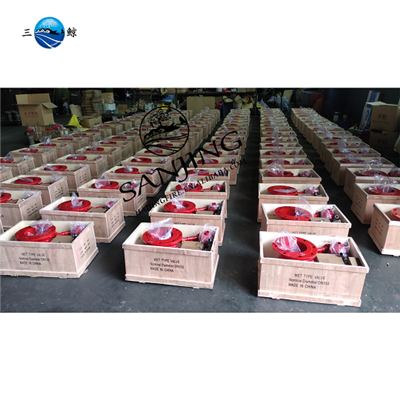
Packaging: Wooden crate or wooden pallet (ISPM15 heat-treated – ready for export)
What you get before shipment: We will inform you of the exact weight and dimensions for each package
Documents included: Packing list, test report, manual
Lead time: 7–30 days depending on quantity

FAQ
Q1: How often should I test the alarm check valve?
Quarterly: open the test valve, verify the gong rings within 60 seconds. Annually: inspect the clapper rubber and clean the retard chamber. Every 5 years: replace the clapper rubber and disassemble for full inspection.
Q2: What happens if the retard chamber gets clogged?
The drain hole or the inlet gets blocked with sediment. If the drain is clogged, water stays in the chamber – the gong rings continuously (false alarm). If the inlet is clogged, water can't reach the gong – no alarm during a real fire. Clean it yearly.
Contact Us
Send us your enquiry, we will reply In 24 Hours!
Siya Huang
WhatsApp/WeChat: +86 15102989485
E-mail: sales07@sajingfire.com
Add: Maosheng RD., Fumao Economic Zone, Nan'an City, Fujian, China, 362300
Hot Tags: groove wet alarm check valve, China groove wet alarm check valve manufacturers, suppliers, factory


